Dust doesn’t just clog fans. It creates static charges and weak electrical paths that slowly damage micro-circuits, memory, and storage reliability over time.
Most people think dust only blocks airflow. But inside a PC, dust can act like a tiny electrical material. Each particle has its own electrical behavior. When it lands on sensitive micro-circuits, it becomes part of the electrical environment. It can hold charge, release charge, or change how current flows.
None of this is visible, yet it affects performance slowly while playing online games at TonyBet.
Electrostatic Interference Is the Silent Killer
Dust creates electrostatic fields. These fields are unstable because dust carries different levels of charge based on humidity and friction from airflow. A charged particle near a micro-chip can bend the flow of electrons. This effect is called electrostatic interference. It doesn’t always cause a crash. Instead, it changes tiny calculations that happen in nanoseconds. One wrong bit here. One delayed instruction there.
Over months or years, the PC becomes less stable without a clear reason.
A Real Example From Inside the Motherboard
Imagine this like a whisper during a phone call. You can still speak. You can still hear. But the background noise forces the brain to work harder. A motherboard under dust behaves the same way. It keeps working, but the interference makes voltage control circuits struggle.
They compensate. They strain. They operate outside their ideal range. The system runs, but it’s aging faster than it should.
Why Gamers Notice First
Gamers often report strange behavior first. Freeze-ups. FPS drops. Micro-stutters that appear randomly. Competitive players notice small details. Dust isn’t the whole story, but dust amplifies weaknesses.
The heavier the load on a GPU or CPU, the more voltage precision matters. So when interference starts, high-load systems show the damage sooner than casual office machines.
Heat and Static Feed Each Other
Dust blocks airflow. That causes heat. Heat increases electrical resistance. Resistance increases power draw. Higher power draw raises heat again. This loop makes electrostatic interference stronger because heat makes surfaces release even more electrons. In short:
- Dust – More heat
- More heat – More electric instability
- More instability – More risk to micro-circuits
It is not a simple snowball. It is a cycle that stays active every second the PC runs.
How Dust Creates Phantom Short Circuits
Not all dust is the same. Skin flakes, soil, textile fibers, moisture, cooking oil residue, metal shavings from tools, they all behave differently when charged. Some types conduct small amounts of electricity. Some types block conductivity. When mixed, dust can form small clusters that behave like a switch.
They can conduct electricity only when humidity is high. A machine might boot fine today and refuse tomorrow because moisture changed the dust’s properties. These events are often labeled “random failures,” but dust is the cause.
The Hidden Data Problem
Bit-level corruption doesn’t always show symptoms. When dust causes interference, memory modules can return bad bits. The system may correct them if ECC is present. If not, corruption hides inside storage blocks and cached files.
- Files get damaged without warning
- Saved games stop loading
- Software installs break months later
People blame malware or Windows updates, but unstable memory reads are sometimes behind these strange errors — and dust was the trigger.
Storage Drives Are Not Safe Either
Many assume SSDs and NVMe drives are sealed and immune. That’s not fully true. Their controllers and power regulation circuits sit in open space on the PCB. Dust near the controller affects the transfer of power and timing. Even one-nanosecond delay can desynchronize data packets.
The drive corrects it most of the time. But not always. Slow boot? Missing files? Unusual stutter during loading screens? Sometimes, it started with dust.
Why Cleaning Too Late Is Not Enough
You can remove dust with compressed air. You can vacuum filters. But if a machine ran with dust for too long, the electrical damage has already happened. Electronic stress, even brief, shortens lifespan. Fluctuations carve microscopic wear into components.
Cleaning helps performance but cannot reverse aging. This is why two identical PCs bought the same day age differently based on cleanliness.
When Fans Pull in More Than Air
Most PC fans are designed to maximize airflow, not filtration. That means they don’t just move air, they pull in anything light enough to float. Clothing fibers, pet hair, cigarette smoke residue, and even tiny food particles can stick to circuit surfaces.
Some of these materials contain salts or oils that make electrostatic interference worse. Over time, dust becomes layered with sticky compounds, making it harder to remove and more electrically reactive.
How Humidity Turns Dust Into a Conductor
Dry dust is mostly an insulator. But once humidity rises, the story changes. Water molecules settle on dust clusters and create new paths for electrical current. This doesn’t look like a visible spark or a dramatic short-circuit. Instead, it changes signal timing and voltage precision.
A system that worked fine in winter may act unstable in summer simply because moisture changed how dust behaves. Many seasonal PC crashes have this exact cause.
The Role of Air Pressure Inside the Case
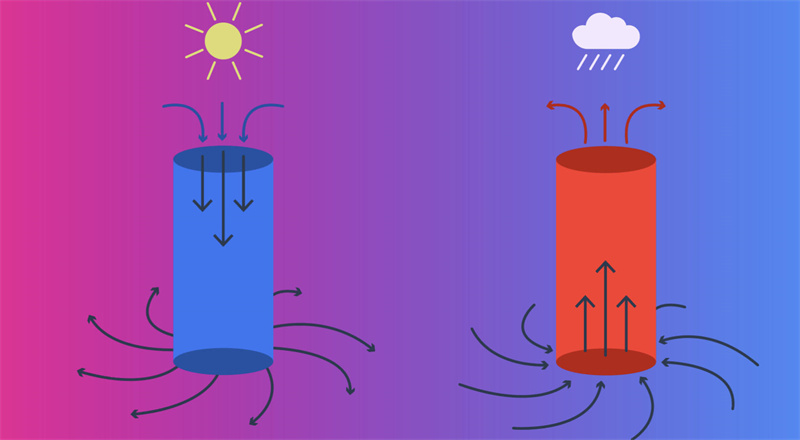
A PC with positive air pressure pushes air outward through gaps. A PC with negative air pressure pulls air inward through every opening. Negative pressure systems tend to accumulate dust in deeper locations — between VRMs, around memory slots, and under GPU backplates.
That hidden buildup is the most dangerous because it forms electrical interference right next to power regulation circuits. Switching to slightly positive air pressure reduces deep dust infiltration and slows down electrostatic aging.
Prevention Beats Fixing
Here’s a simple approach that saves hardware:
- Clean every 3 months if the home has pets
- Every 6 months in normal environments
- Even more often in workshops and kitchens
Use filters on intakes. Wipe external surfaces to stop dust before it enters the airflow. Raise the PC off the floor to reduce exposure to carpet fibers. And never run a PC near sanding equipment, smoking areas, or high-humidity spaces.
