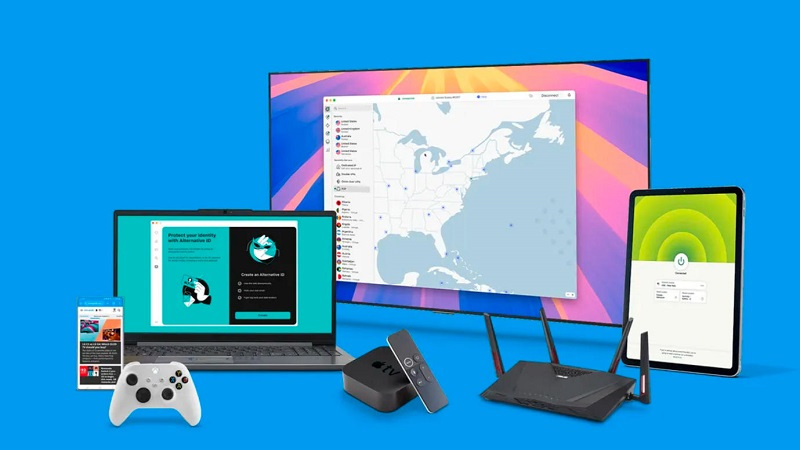
The Computer That Feels Personal
A personal computer should feel like something you truly own. It sits on your desk, you choose what to install, and you decide how to use it. But once you look closer, things feel less free. Most software collects data. Many apps track your habits. Even simple tools come with long agreements that nobody reads but everyone must accept.
The modern PC looks like a private space, yet it’s surrounded by companies that want pieces of your life. They want your clicks, your searches, your mistakes, your preferences. Under capitalism, the computer becomes another place where profit comes before people.
Why VPNs Became Necessary
Because the internet is full of tracking, many people turn to VPNs. A VPN hides your location, protects your connection, and makes it harder for companies to follow your movements online. That’s helpful — especially when almost everything you do on a computer leaves a trail.
But VPNs are also part of the same system. They are often expensive, heavily advertised, and designed to create fear: “Without this, you’re not safe.” Instead of privacy being a universal right, it becomes something you must pay for. From a radical-left point of view, that’s the core problem. People shouldn’t need subscriptions to protect themselves. The system should protect them by default.
Computers Used for Work, Rest, and Everything Between
Most people use the same computer for work, entertainment, shopping, conversations, and banking. That means one device carries nearly every part of modern life. And capitalism takes advantage of this overlap.
Think about these common situations:
- A worker logs into their job portal and discovers software that measures typing speed or screen time.
- A student visits a school website and accidentally shares more data than they realize.
- Someone opens a casual gaming site and gets targeted ads based on old searches.
The boundaries disappear. Your free time, your attention, your habits — everything becomes something to analyze and monetize. Even a simple online hobby, like checking scores or exploring platforms similar to TonyBet, happens within a system designed to track and profit from your behavior.
Digital Inequality Is Real
Some people have fast computers and strong protections. Others use old laptops, slow Wi-Fi, or shared devices. That difference shapes how safe, connected, and confident people feel online.
Digital inequality appears in several forms:
Economic
Good computers, secure software, and VPNs all cost money. Not everyone can afford them.
Educational
Some people grow up learning digital skills; others learn the hard way, through mistakes.
Structural
Public places like schools or libraries often rely on outdated tools. Access exists, but power doesn’t.
From a leftist perspective, this is predictable. Technology under capitalism favors those who already have resources. Those without them get slower systems, weaker security, and fewer choices.
How VPNs Help Even Within the System
Despite their flaws, VPNs offer real value. They help activists staying safe online. They protect workers in countries with censorship. They give people some control over what should have been theirs from the start — their privacy.
They don’t fix the system, but they soften its harm. In that sense, VPNs are like seatbelts: helpful, but proof that the environment around you is unsafe.
PCs as Tools for Community, Not Just Consumption
Not everything online is shaped by corporate power. People build alternatives. Community tech groups teach computer repair. Online forums share open-source tools. Local workshops help neighbors install safe software without paying anything.
These spaces share two ideas:
- Technology should serve people, not companies.
- Knowledge should be shared, not sold.
This approach turns the PC into something more than a consumer item. It becomes a tool for connection and empowerment.
A Better Future for Technology
A radical-left vision imagines something different:
- Computers that don’t track people.
- Networks owned by the public, not by corporations.
- VPN-level privacy available to everyone, built into the system instead of sold as an upgrade.
- Software created cooperatively rather than controlled by a few giant companies.
In that world, people wouldn’t need to hide online. They wouldn’t need to worry about data leaks, trackers, or manipulative apps. Their digital lives would simply belong to them.
Until Then, Awareness Is Power
We’re not in that world yet — but we can move toward it. Learning how your PC works, using privacy tools when possible, helping others understand their tech, and supporting community-driven digital spaces all make a difference.
A PC can be a window for companies watching you, or it can be a tool you control. A VPN can be a product sold through fear, or a shield you use on your own terms.
Digital freedom isn’t just about software. It’s about refusing to let a system built for profit decide how we work, play, and live online.
When Privacy Turns Into a Social Divide
Another complicated layer emerges when you notice how privacy itself becomes a marker of class. Someone with time and knowledge can adjust settings, block trackers, use encrypted apps, and configure a VPN correctly. Someone without those resources might rely on default settings — the very settings that leak the most data.
Over time, this creates a strange separation: people with privacy, and people without it. The tools exist for everyone, but the skill to use them does not. This divide grows quietly, hidden behind the appearance of equal access. And in a society shaped by inequality, even something as simple as a secure connection becomes another way that privilege protects itself, while those with fewer resources are left exposed to the risks they never chose.
