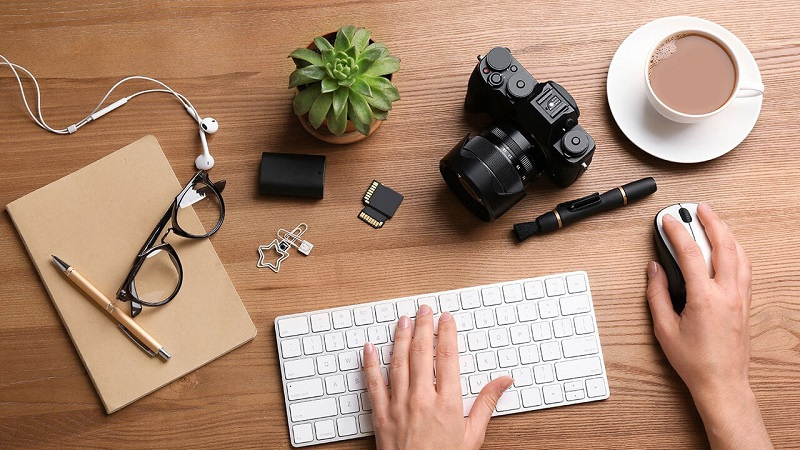
Are comfort, habit, and trust what keeps people using the same keyboard and mouse for many years?
People change many things in life without thinking twice. Phones, apps, clothes, even jobs get replaced often. But keyboards and mice are different. Many people keep the same ones for years. Some keep them so long that the letters fade and the cable bends. Still, they hold on.
This choice is not about price or brand. It is about comfort. It is about memory. It is about trust built slowly, day by day, without notice.
It Starts With How It Feels in the Hand
The first reason people stay with the same keyboard or mouse is touch. When something feels right in the hand, the body relaxes. The fingers move easily. The wrist does not strain. The work feels lighter.
That first good feeling stays. Even when new options appear, the body remembers the old one. It knows where each key is. It knows how hard to press. The mouse fits the palm without thought. This kind of comfort is rare. Once found, people protect it.
This is also why people return to familiar digital spaces. For example, some users open Tony Bet not because they plan to do anything, but because it feels known. They understand the layout. They know where things are. That comfort brings calm. Tools work the same way.
Muscle Memory Does Most of the Work
After months or years of use, the hands stop thinking. They move on their own. Typing becomes smooth. Clicking becomes fast. There is no pause between thought and action.
A new keyboard breaks this flow. Even a small change in key shape or spacing forces the brain to work harder. That tiny effort feels heavy after long hours. So people return to what their hands already know.
Old Tools Feel Like Home
When people sit at their desk, they want things to feel familiar. The same keyboard. The same mouse. The same way the hand moves without thinking. That feeling is hard to replace. It feels like home in a small way. Even when a new tool works fine, it does not feel the same.
The old one knows the hands. It knows the pressure. It knows the speed. That comfort makes people stay. Not because they are afraid of change, but because they already found something that fits. And when something fits, people stop looking.
Familiar Tools Reduce Stress
Most people do not notice how much stress comes from small changes. A new mouse that slips. A keyboard that feels stiff. A scroll wheel that moves too fast. These things create quiet tension.
When tools feel familiar, the mind relaxes. There is nothing to fight. Nothing to fix. Nothing to adjust.
This is important for people who work long hours on a computer. Writers, designers, students, and office workers all rely on flow. Anything that breaks it feels annoying. Keeping the same keyboard and mouse protects that flow.
Old Tools Feel Safe
Safety matters more than people admit. When something works every day, it becomes a small anchor. It stays steady even when other parts of life feel messy.
This is why people keep old mugs, old chairs, and old headphones. The same feeling applies to keyboards and mice. They are part of daily life. Removing them feels wrong.
Comfort Beats New Features
New keyboards often come with lights, extra buttons, and new designs. These features look good, but they do not always help. Sometimes they get in the way.
People who use computers daily want tools that disappear, not tools that demand attention. A keyboard should not remind you it exists. A mouse should not make noise in your mind.
Older tools do this better. They fade into the background. They let the person focus on the task.
Simplicity Feels Reliable
When something has fewer features, there is less to break. Fewer settings to adjust. Fewer updates to learn. This creates trust.
Trust grows slowly. It grows when the keyboard works every time. It grows when the mouse never fails. After years of this, replacing it feels risky.
There Is a Memory in Old Tools
Keyboards and mice hold memory. Not digital memory, but personal memory. They were there during late nights, deadlines, exams, projects, and long calls.
People typed important messages on them. They worked through stress with them. They finished tasks with them. Replacing them feels like closing a chapter.
People Attach Feelings to Objects
Humans attach feelings to things that stay with them. A keyboard that survived years of work becomes special, even if it looks plain.
This attachment is quiet, but strong. It makes people fix cables, clean keys, and ignore scratches.
Habit Is Stronger Than Logic
Logic says new tools are better. Habit says stay with what works.
Most people choose habit without realizing it. They sit down, reach for the same mouse, and start working. There is no decision. It happens on its own. This habit makes daily life easier. Fewer choices mean less mental effort. That energy goes into work, not setup.
Relearning Feels Like a Waste of Time
Learning a new keyboard takes time. Making mistakes slows work. People feel less skilled for a while.
For busy people, this feels like a step backward. They prefer to keep what already works instead of restarting.
Old Tools Become Part of Routine
Routine brings calm. When everything else changes, routines hold steady. A keyboard and mouse are part of that routine.
They are always there. Always ready. Always familiar. This is why people carry them to new jobs. Why they pack them when moving. Why they feel strange without them.
